Build note
I-90 and Route 20: Interstate Distance, Road Trip Stops
Driving I-90 across Massachusetts or New York? Use Route 20 for Berkshire towns, central New York scenery, and selected slower-road stops.
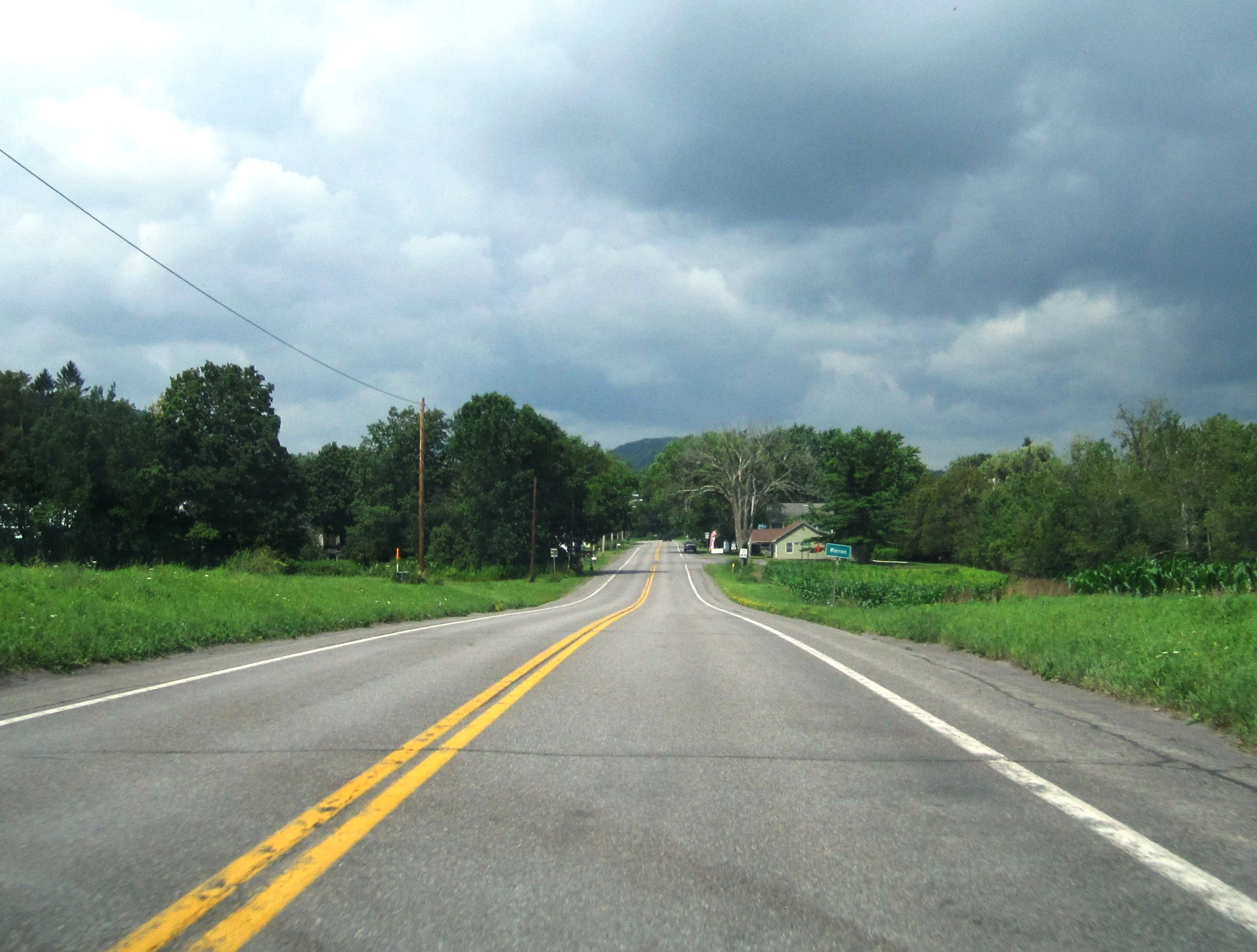
Interstate bridge · I-90 and US 20
Driving I-90? Route 20 can tell you when it is worth slowing down.
You do not have to drive every mile of U.S. 20 to use a Route 20 road-trip guide. Across Massachusetts and New York, I-90 can carry the long-distance mileage while Route 20 becomes the town, landscape, and destination layer you choose when something is worth leaving the faster road for.
The hybrid-road rule
Use each road for the job it does best.
I-90 is often the pace road. Route 20 is often the discovery road. A practical trip can switch between them without pretending they run side by side everywhere or that the slower road must be followed continuously.
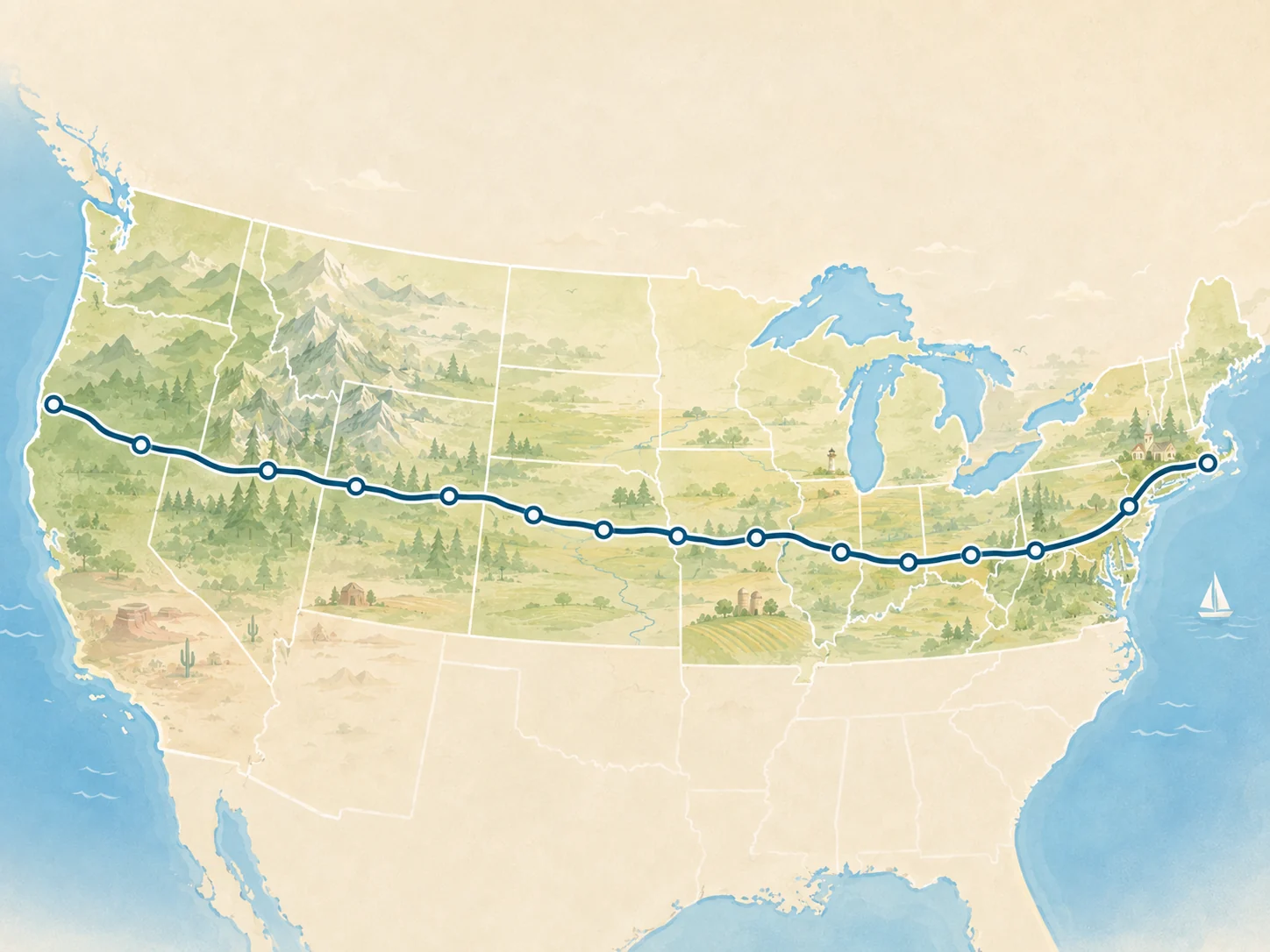
The better question is not I-90 or Route 20
The useful question is: Which road should do the next job?
If the day needs distance, predictable highway movement, or a protected arrival time, keep the interstate. If the day needs a real town, a scenic chapter, lunch somewhere with an identity, a historic stop, or an overnight that feels connected to the region, Route 20 becomes more useful.
That creates three legitimate trip styles:
Interstate-first
Cover the long middle
Use I-90 for the mileage and choose only the Route 20 stops that solve a real destination, meal, scenic, or overnight need.
Route-first
Let the surface road be the trip
Use Route 20 when towns, countryside, older-road texture, and local pacing are the main reason for the day.
Hybrid
Switch only with a purpose
Use the interstate until a specific Route 20 chapter earns the slower mileage, then rejoin the faster road when the trip again becomes about distance.
Massachusetts: the Berkshires make the strategy easy to understand
Massachusetts is a strong example because the Massachusetts Turnpike can do the fast east-west work while Route 20 offers a different scale of travel.
In the western part of the state, a traveler can choose the Route 20 layer for Lee, Berkshire scenery, local stops, or a slower regional chapter rather than treating western Massachusetts as mileage between state lines. Farther east, Westfield, the Worcester area, and other Route 20 communities can serve meal, city, service, or overnight roles when they fit the day.
The key is not to force the surface road into a schedule that does not have room for it. If Boston arrival time is controlling the day, protect that arrival. If the Berkshires are the reason for the trip, give them enough time to be more than a hurried detour.
Start with the Massachusetts Route 20 guide. For a bounded western example, use the Berkshire Gateway Route 20 Weekend.
New York: the Thruway handles distance; central Route 20 gives the trip another texture
New York requires more restraint because Route 20 and I-90 should not be described as if they sit together across the whole state. The useful relationship is selective.
The Thruway can carry the fast cross-state mileage. Route 20 becomes attractive where central New York towns, rolling countryside, lake-country stops, or the designated scenic-byway layer are the point of the day.
Skaneateles, Cazenovia, Sharon Springs, Duanesburg, and other Route 20 communities should not become mandatory just because they are on the road. Choose the stop that matches the trip: a walk, a meal, a scenic section, a town-focused overnight, or a deliberate slower afternoon.
Use the New York Route 20 guide for the state-wide shape. The Eastern New York Route 20 Weekend shows one way to make the slower road the destination instead of a random diversion from I-90.
Four reasons to leave the interstate
A Route 20 handoff works best when the reason is obvious before the exit.
- The landscape changes the day. A Berkshire or central New York section is worth the slower pace because the drive itself becomes part of the experience.
- A town is the destination. Give the place enough time for a walk, meal, museum, downtown stop, or overnight rather than treating it like an interstate service plaza.
- The trip needs a reset. A Route 20 stop can break a long mileage day into a more human rhythm.
- You want one memorable road chapter. A full cross-state surface-road commitment is not required. One good section can be enough.
What not to do
Do not freeze current exit numbers, construction patterns, or temporary traffic conditions into an evergreen road-trip plan. Do not assume I-90 is always the closest or best interstate connection for every Route 20 town. And do not leave the freeway merely to say you drove Route 20.
The slower road should earn the time.
For the broader planning philosophy, the Route 20 FAQ explains how the guide treats I-90 and the Thruway, while the route overview shows the whole Boston-to-Newport corridor beyond this eastern pilot.
Build the trip at the right scale
Whole road
Open the Route 20 overview
Use the national corridor first when you are still deciding which state or region belongs in the trip.
State gateway
Browse Route 20 states
Move into Massachusetts, New York, or another state once the direction of travel is clear.
Trip shape
Browse Route 20 trips
Use a finished regional trip when you want a bounded start, finish, and realistic road-trip scale.
Check current traffic, construction, closures, weather, and local access through official traveler-information sources before departure. The strategy can stay evergreen; the operating conditions cannot.