On-route place guide
Ontario
Plan a Route 20 stop in Ontario for regional culture, downtown history, parks, and a practical Oregon gateway overnight.
Ontario
On Route 20
Ontario is the first larger Oregon anchor on the Route 20 crossing from Idaho. Regional culture, railroad history, downtown, parks, and a strong set of traveler services make it more than a state-line marker and give the corridor a practical place to pause before Vale and the high desert.
Why stop here
The Idaho-to-Oregon handoff can feel like a continuation of the same metro-and-farm landscape if the drive never leaves the highway. Ontario gives the border crossing a clear destination: one substantial cultural center, a compact downtown, visible railroad history, and room for an easy outdoor reset.
It is also the best place on this short stretch to handle lodging, meals, fuel, and trip adjustments. That practical role matters before Route 20 continues through smaller towns and then opens into the much longer eastern Oregon crossing.
What kind of stop it is
Best described as a two-to-four-hour stop or practical overnight.
With an hour, choose downtown or a park. With a half day, build the visit around the Four Rivers Cultural Center and add a walk or meal. Stay overnight when Ontario closes an Idaho travel day or when you want a fresh start toward Vale and Burns.
Choose the shape of the visit
- Regional culture: the Four Rivers Cultural Center and Museum interprets the communities that shaped the region, including Indigenous, Japanese American, Hispanic, and European American stories. Its museum, art, and garden spaces make it the strongest single reason for a deliberate stop.
- Downtown and murals: Oregon Street and the surrounding downtown blocks offer local shops, food, public art, and a simple way to walk after a driving stretch. Pair this with the cultural center when time allows.
- Railroad history: the restored Ontario Train Depot reflects the railroad’s role in the city’s growth. Treat it as a brief architecture and history stop rather than assuming the building is open for a full visit.
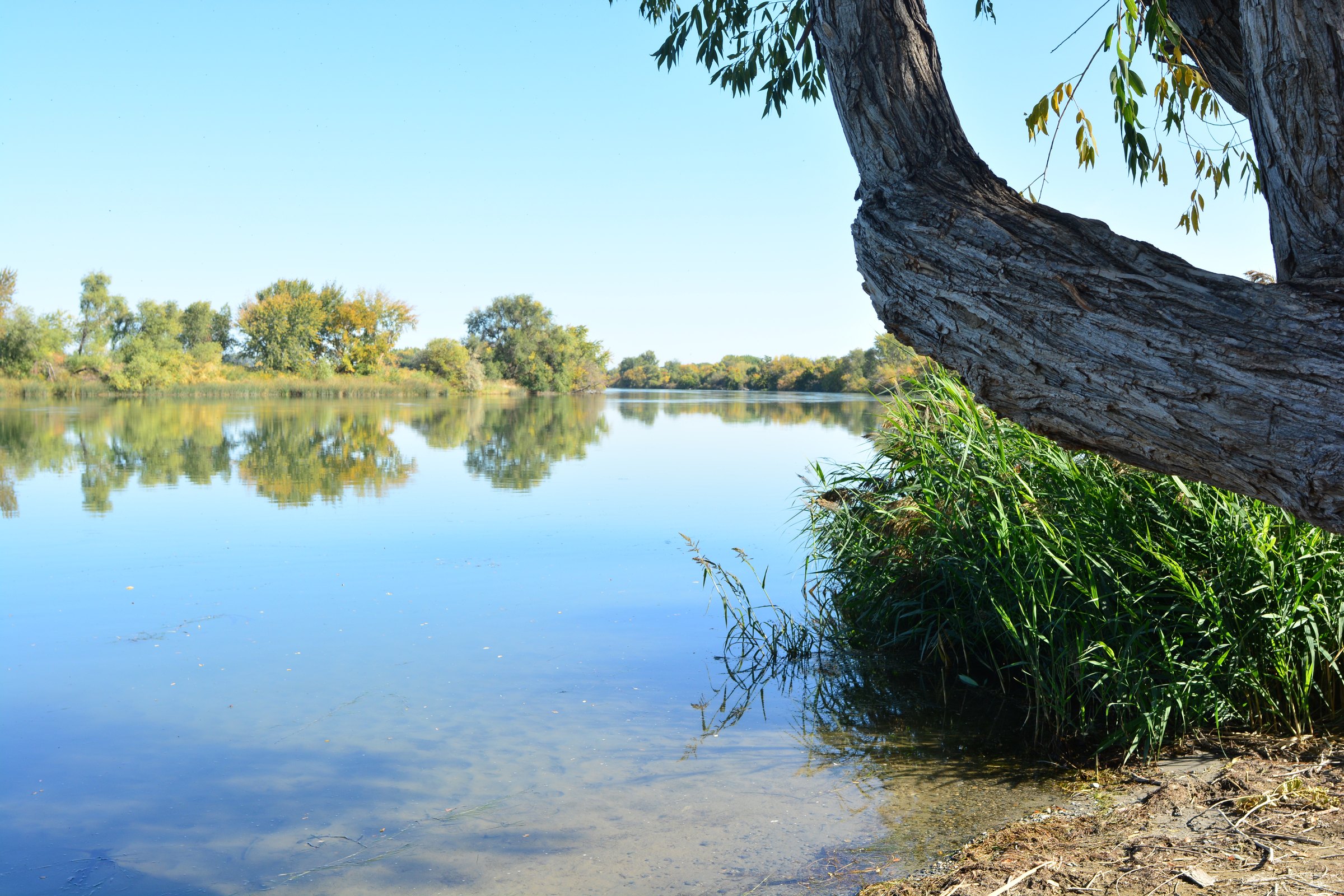
- Fresh air: Beck-Kiwanis Park or the Snake River side of town can provide an uncomplicated picnic or leg-stretch break. Choose this when the itinerary needs recovery more than another indoor attraction.
Practical planning
Check current museum and depot access before arrival. The cultural center can carry a half day, while downtown, the depot, and a park work better as shorter pieces. Trying to visit every site is less useful than choosing one cultural anchor and leaving room for the westbound drive.
Ontario is a service hub for a much wider rural area, so it is a sensible place to confirm road conditions and settle supplies. If a remote Owyhee country side trip is part of the plan, treat it as a separate outing with its own route, water, weather, and communications preparation.
Route 20 planning notes
Traveling west, Ontario follows Nyssa and leads into Vale, where the route commits to the long high-desert middle. Traveling east, it is the final substantial Oregon reset before the Idaho line and the Caldwell side of the corridor.
Ontario can anchor the Oregon half of the Caldwell to Vale Route 20 Weekend. Give it a half day when the Four Rivers Cultural Center matters; use it as the overnight when the next day needs to reach Burns without a rushed start.
What it pairs with
Ontario pairs best with Nyssa, Vale, the Caldwell, Parma, Nyssa, Ontario, and Vale segment, the Caldwell to Vale Route 20 Weekend, and the broader Oregon route frame.