Build note
Miami to Boston to U.S. 20: Turning the Southeast into the Opening Chapter
A Route20RoadTrip launch note for treating Miami, Florida's Gulf side, Savannah, Beaufort, Charleston, Greenville, and Boston as the opening act before the westbound U.S. Route 20 crossing.
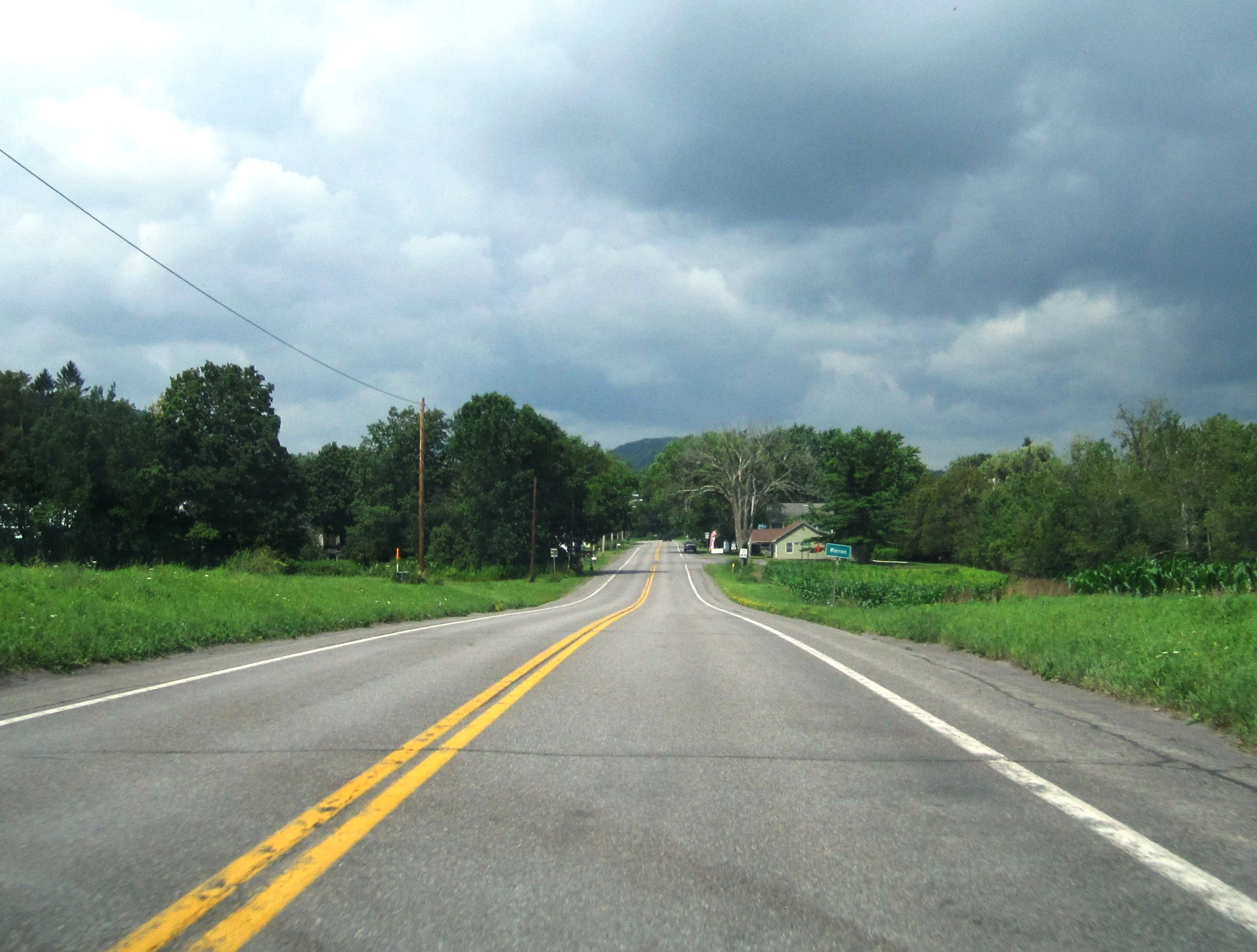
Trip launch
Miami to Boston to U.S. 20: Turning the Southeast into the Opening Chapter
This version treats Florida and the Southeast as the opening act before Boston and the long westbound Route 20 crossing.
 Open larger map
A Miami-to-Route-20 road trip can feel scattered if it is planned as one enormous list. It works better when the early miles have a job.
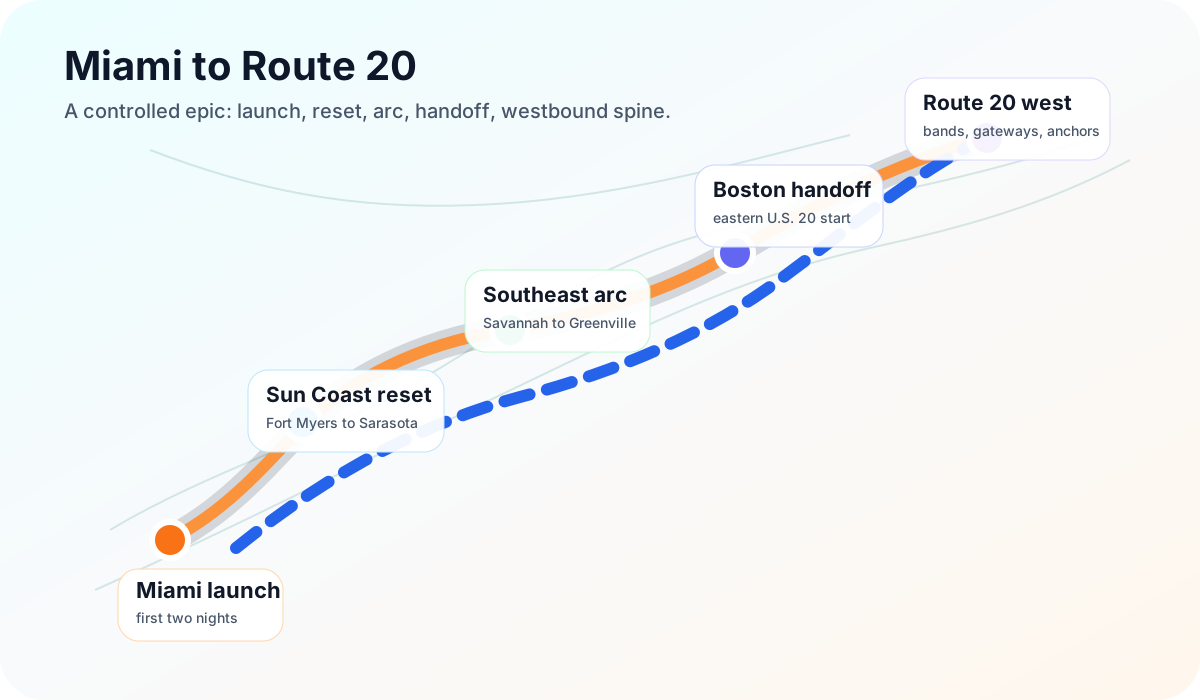
Miami launches the trip. Florida's Gulf side slows it down. Savannah, Beaufort, Charleston, and Greenville keep the move north from feeling like empty connector mileage. Boston turns the journey into a U.S. Route 20 crossing.
Start here: use the dedicated Miami to Boston to Route 20 page when you want the highway-conscious master version.
The five-part shape
The cleanest version of the trip has five phases:
- Miami launch
- Gulf / Sun Coast reset
- Southeast arc
- Boston and the eastern U.S. 20 start
- U.S. 20 westbound bands
That structure keeps the trip epic without turning it into list-spam. Each phase answers a different planning question.
Florida and the Southeast are not filler
The opening chapters matter because they change the rhythm before the long highway crossing begins.
Miami gives the first nights energy. The Gulf side adds water, slower towns, and a softer pace. Savannah, Beaufort, Charleston, and Greenville add historic city texture, low-country pauses, walkable breaks, and one inland reset before the route reaches New England.
For those earlier pieces, use the companion guides from Easily Miami and Easy Sun Coast.
Boston is where the road-trip logic changes
Before Boston, the route is moving toward the highway. At Boston and Kenmore, it becomes a Route 20 trip.
That is why the eastern start should feel like an orientation point, not just another city stop. Use Boston to reset the map, then begin thinking in Route 20 bands: New England, New York, the Great Lakes, the Midwest, the Plains, the Mountain West, and Oregon.
The westbound spine is now concrete
The Route 20 part of the trip should no longer feel like a vague westward line. Use gateway cities and anchor towns to divide the crossing into understandable decisions.
- Erie keeps the Lake Erie / Pennsylvania handoff from disappearing.
- Cleveland gives the Great Lakes band a major Ohio city reset.
- Toledo makes western Ohio a real gateway before Indiana.
- South Bend is the practical Indiana base before the Chicago side.
- Chicago Approach is the book-ahead urban reset before northern Illinois.
- Galena is the flagship heritage town anchor for the Midwest portion.
- Sioux City marks the Iowa-to-Nebraska / Missouri River handoff.
- Cody is the Yellowstone-side gateway for the Wyoming mountain transition.
- Boise is the major Idaho urban reset before the Oregon crossing.
- Bend starts the Central Oregon finish chapter.
- Newport is the Pacific-side arrival point.
Those anchors are not a mandatory checklist. They are the points where the road changes character, where the traveler may need a base, a pause, a book-ahead decision, or a better map read.
Plan by bands, not by every town
The westbound crossing is too large to plan as a spreadsheet of stops.
Start with the Route 20 overview, open the route map, then choose the bands that deserve more time. Once the shape is clear, use segments, places, state pages, and trip pages to fill in the practical details.
Where book-ahead layers help
Use book-ahead choices when they make a real route decision easier: a Boston starter, a city gateway experience, a weather-resilient backup, or a side trip worth timing. Do not let the offers drive the route. Let the route decide where a booking actually helps.
The goal is a controlled epic: enough structure to keep moving, enough room to let the best parts of the road breathe.
Use the full handoff: start with Easily Miami, reset with Easy Sun Coast, then use this Route20RoadTrip page for the highway spine.