On-route place guide
Casper
Plan a Route 20 stop in Casper for historic trails, museums, the North Platte River, downtown, Casper Mountain, and an overnight.
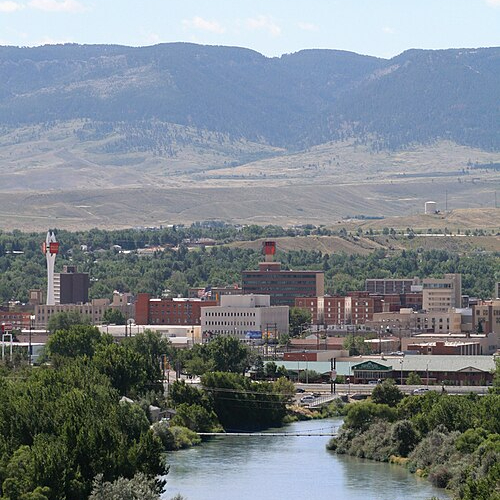
Casper
On Route 20
Casper is central Wyoming’s strongest practical overnight base on Route 20. Its historic-trails story, geology and frontier museums, North Platte River setting, downtown, and nearby mountain recreation give travelers several ways to turn a long driving day into a deliberate stop.
Why stop here
The Wyoming crossing includes long stretches where the landscape is the main event and services are spread far apart. Casper changes that rhythm. It is large enough to handle lodging, meals, supplies, and trip adjustments, but its museums and outdoor options also justify staying beyond a routine reset.
Casper is especially useful for travelers choosing between two different Route 20 days: an eastbound or westbound through-day with one strong attraction, or an overnight that leaves room for both the city and the surrounding landscape.
What kind of stop it is
Best described as a half-day stop or overnight base.
With two or three hours, choose the National Historic Trails Interpretive Center or one museum rather than racing between attractions. A half day can add downtown or the river. Stay overnight when Casper Mountain, a longer trail outing, or several museums are part of the plan.
Choose the shape of the visit
- Historic trails: the National Historic Trails Interpretive Center tells the stories of Indigenous peoples, early explorers, and travelers on the Oregon, California, Mormon Pioneer, and Pony Express trails. Its exhibits and outdoor setting make it the clearest single stop for understanding why central Wyoming mattered to westward travel.
- Geology and fossils: the Tate Geological Museum at Casper College focuses on fossils, minerals, and prehistoric life. It is a good alternative for families, geology travelers, or anyone who wants a focused indoor visit.
- Frontier history: Fort Caspar Museum interprets the frontier post, regional history, and the river crossing. Pair it with the trails center only if history is the main purpose of the day.
- River and downtown reset: use the North Platte River corridor and downtown for a walk, a meal, and time outside the car without committing to a longer side trip.
- Mountain time: Casper Mountain adds hiking, viewpoints, and a cooler high-country change of pace. Treat it as a separate outing rather than a quick extension of an already full museum schedule.
Practical planning
Check current museum schedules before arrival, especially if one institution is essential to the trip. The historic-trails center, Fort Caspar, and the Tate are in different parts of the city, so combining them takes more time than their shared theme suggests.
Weather and road conditions can change quickly around Casper Mountain. Keep a city-based alternative available and do not make a mountain outing the only reason an onward travel day works. For a simple overnight, handle fuel and supplies before leaving Casper; the westbound run toward Shoshoni feels much more open than the city itself.
Route 20 planning notes
Traveling west, Casper is the last major city reset before Shoshoni and the Wind River Canyon approach to Thermopolis. Traveling east, it is the natural overnight after the smaller communities and basin stretches farther west.
Casper can also anchor the middle of the Lusk to Thermopolis Route 20 Weekend. Give the city the overnight when museums or mountain time matter; keep it to one focused stop when Thermopolis is the day’s main destination.
What it pairs with
Casper pairs best with Glenrock, Shoshoni, the Casper, Shoshoni, and Thermopolis segment, the Lusk to Thermopolis Route 20 Weekend, and the broader Wyoming state page.